
Reviews
Hidden Key Logic stands out for its thoughtful puzzle design that never feels unfair. The clean visuals and lack of timers create a relaxing atmosphere, while the gradual difficulty curve keeps players engaged. Each room requires a different approach, encouraging lateral thinking without frustration. It is an ideal choice for families or anyone seeking a quiet mental challenge that respects their time and intelligence.
About this game
Room-by-Room Exploration
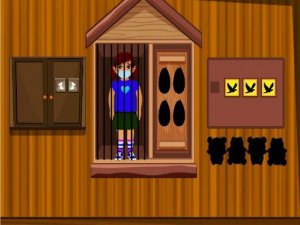
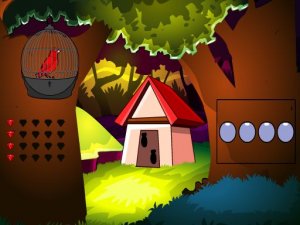
Each room in Hidden Key Logic is a self-contained puzzle. The objective is straightforward: find the hidden key to unlock the exit. What makes this engaging is that no two rooms feel the same. One room might require moving a stack of books to reveal the key, while another asks you to rotate a picture frame or slide a block aside. The variety keeps the experience fresh, and the lack of any time limit means you can take as long as you need to examine every corner.
Thinking Beyond the Obvious
The puzzles are built around the concept of lateral thinking. The key is never in plain sight, but its hiding place always follows a logical pattern. Players must consider how objects in the room relate to one another. For example, a key might be tucked behind a curtain that only moves when you click a nearby switch. This design encourages players to experiment with different interactions and observe the results. There is no penalty for trying something that does not work, so the game rewards curiosity and patience.
Calm and Accessible Design
The visual style is clean and uncluttered, with each room featuring simple shapes and soft colors. This minimal approach helps players focus on the puzzle without distractions. The controls are equally straightforward, relying on mouse clicks or touch inputs to interact with objects. Because the game is designed for all ages, there is no violent content or complex mechanics. Children and adults alike can pick it up and start solving immediately. The gradual increase in difficulty ensures that newcomers are not overwhelmed, while experienced puzzle fans will find later rooms satisfyingly tricky.
Progression Through Ingenuity
As players advance, the puzzles become more layered. Early rooms might hide the key behind a single object, but later stages require a sequence of actions. For instance, you might need to push a block to reach a lever, which then opens a drawer containing the key. This progression feels natural and rewarding. The satisfaction comes from connecting the dots yourself, without any hand-holding. Each solved room provides a small sense of accomplishment, encouraging you to move on to the next challenge.
Family-Friendly Mental Exercise
Hidden Key Logic is an excellent choice for families looking for a shared activity that does not rely on fast reflexes or competitive elements. The puzzles can be discussed and solved together, making it a cooperative experience. Parents can guide younger players by asking questions like, "What happens if you click that lamp?" rather than giving direct answers. This approach helps develop problem-solving skills in a low-stress environment. The game also works well as a solo pastime for anyone who enjoys brain teasers during a quiet afternoon.







Comments
Sign in to leave a review
No account? Create one
No comments yet.